2026-05-20
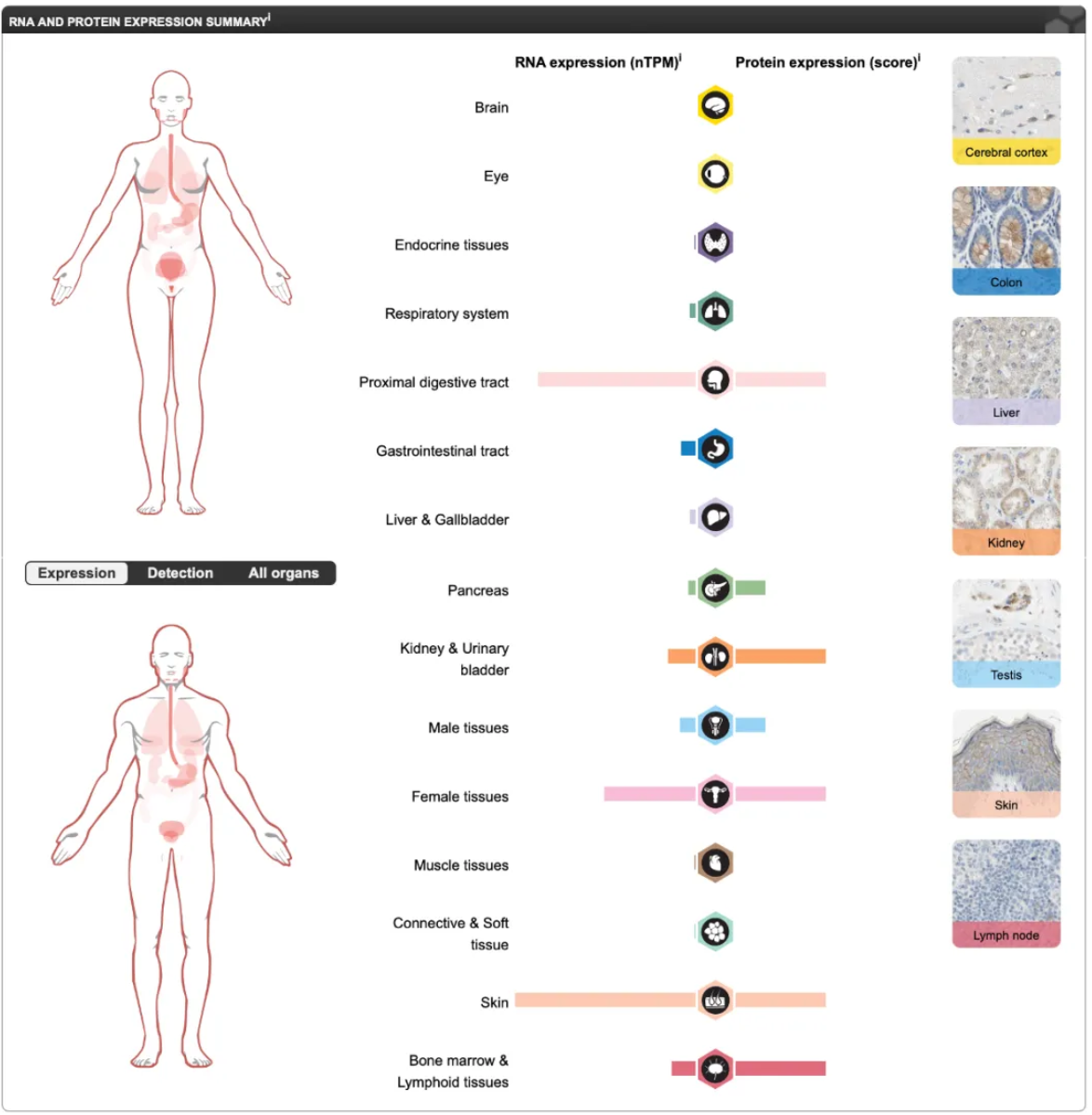
Overview: Nectin-4 (Neural cell adhesion molecule-related molecule 4), also known as Poliovirus Receptor-Related Protein 4 (PVRL4), is a type I transmembrane glycoprotein belonging to the Nectin subfamily of the immunoglobulin superfamily (IgSF). Encoded by the PVRL4 gene located on chromosome 1q23.3, its mature protein has a molecular weight of approximately 66 kDa. Nectin-4 is highly expressed during embryonic development, primarily distributed in structures such as the placenta, embryonic tissues, and skin. In normal adult tissues, it exhibits low-level expression only in specific sites like the basal layer of the skin and bladder mucosa, while its expression remains extremely low in the vast majority of normal somatic cells. Studies have shown that Nectin-4 is significantly overexpressed in various solid tumors, including breast cancer, ovarian cancer, urothelial carcinoma, colorectal cancer, and non-small cell lung cancer (NSCLC), with its expression level being significantly associated with poor patient prognosis.
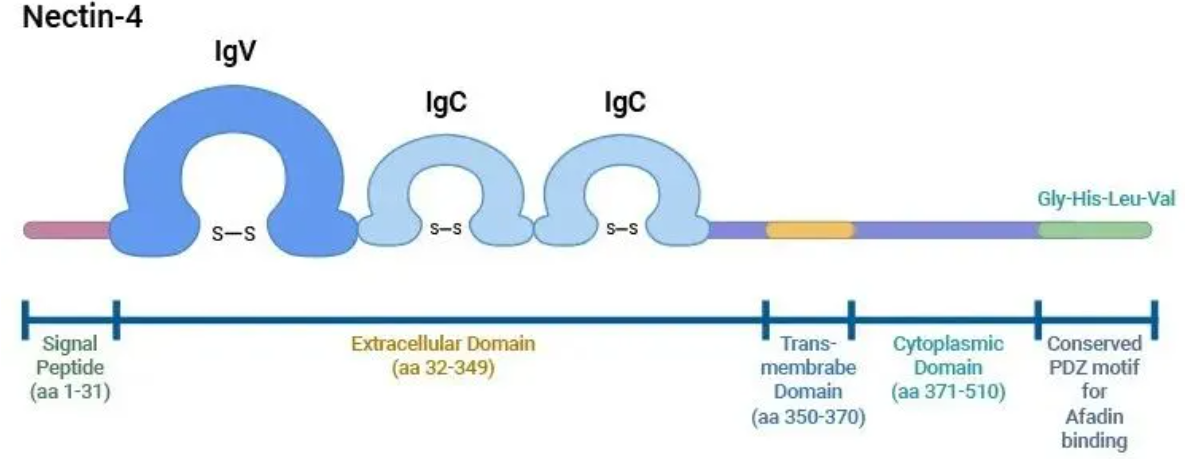 Structural Characteristics of Nectin-4: The protein possesses distinct structural features: (1) an extracellular domain composed of three conserved Ig-like loops (one IgV loop and two IgC loops); (2) a transmembrane domain; and (3) a cytoplasmic domain containing an afadin-binding motif. The extracellular domain mediates cell-cell adhesion; the transmembrane domain connects to the intracellular segment, which contains a conserved Gly-His-Leu-Val (GHLV) motif. This motif specifically binds to the PDZ domain of the actin-binding protein afadin, thereby activating downstream signaling pathways.
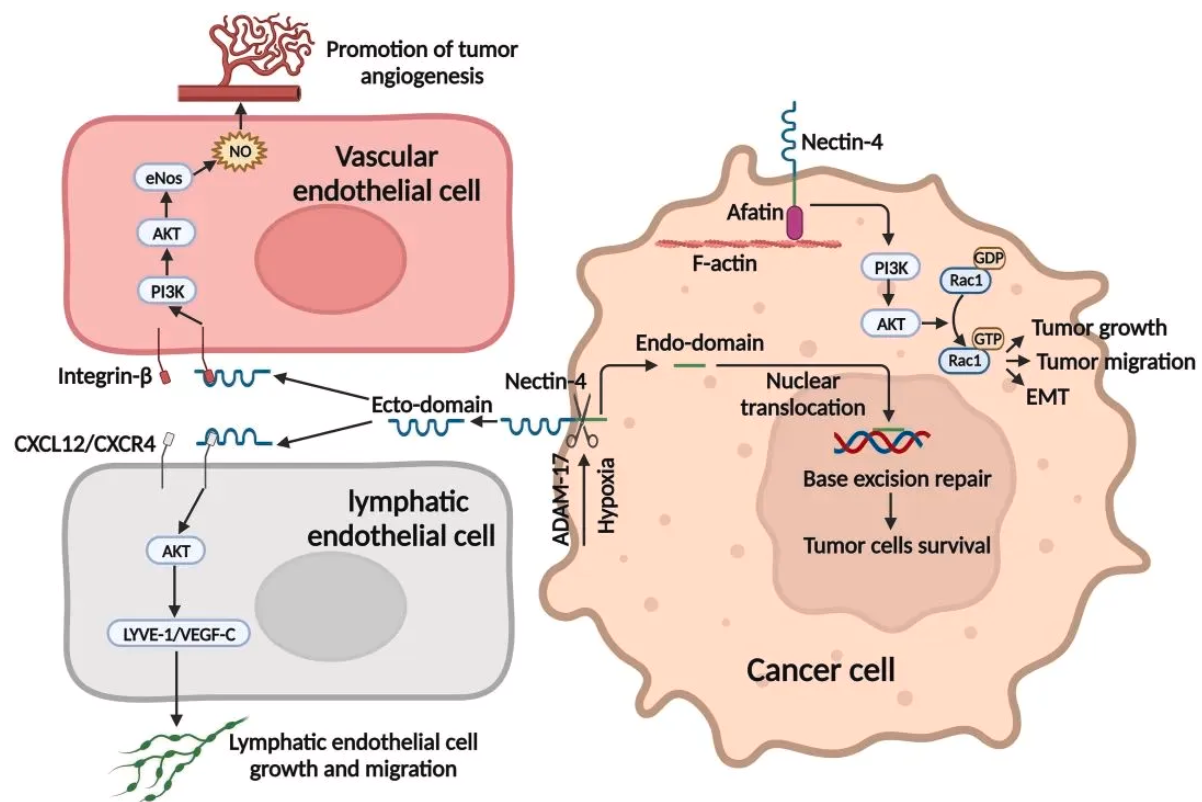
Nectin-4 forms a functional complex by binding to the PDZ domain of afadin via the GHLV motif in its intracellular domain. This interaction activates the PI3K/AKT-Rac1 signaling axis, driving tumor cell proliferation, migration, and the epithelial-mesenchymal transition (EMT) process. Under hypoxic microenvironments, the metalloproteinase ADAM-17 specifically cleaves Nectin-4, generating fragments with independent functions: its intracellular domain (ICD) translocates to the nucleus to enhance tumor cell survival by regulating DNA damage repair mechanisms, while its extracellular domain (ECD) promotes angiogenesis through dual mechanisms—activating the PI3K/AKT-eNOS pathway by binding to Integrin-β4 on endothelial cells, and inducing lymphangiogenesis via the CXCR4/CXCL12-LYVE-1 signaling axis. This multidimensional regulatory network makes Nectin-4 not only a sensitive biomarker for solid tumor diagnosis but also significantly correlates its expression levels with tumor stage, metastasis risk, and patient prognosis.
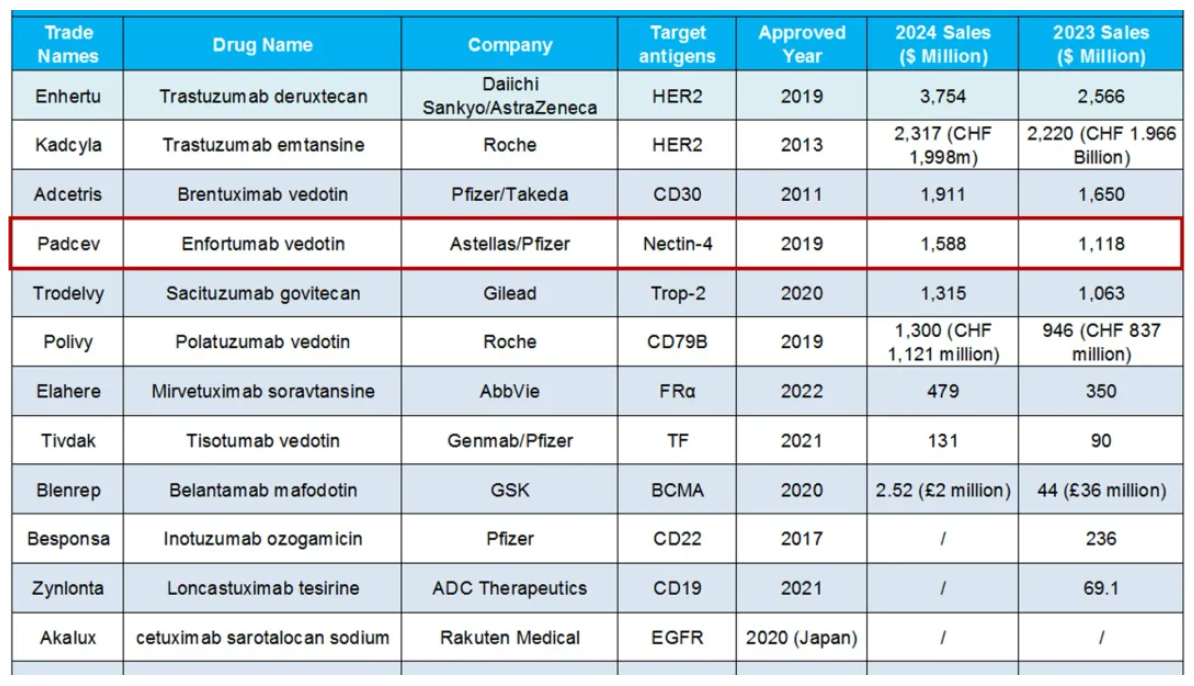 In the field of Nectin-4-targeted Antibody-Drug Conjugates (ADCs), Seagen (a subsidiary of Pfizer) established a first-mover advantage with the launch of the world's first approved drug in this class, Padcev (enfortumab vedotin). Accelerated FDA approval was granted in 2019 for previously treated advanced urothelial carcinoma (UC). With sales exceeding $1.588 billion in 2024 (a year-over-year growth of over 50%), it ranks among the top 4 ADC drugs globally by sales, fully validating the therapeutic potential of this target. As the R&D pipeline expands rapidly, multiple Nectin-4 ADCs worldwide have entered clinical stages. Competition in the赛道 (track/sector) is intensifying, with the focus likely shifting towards the development of combination therapies and pan-cancer exploration.
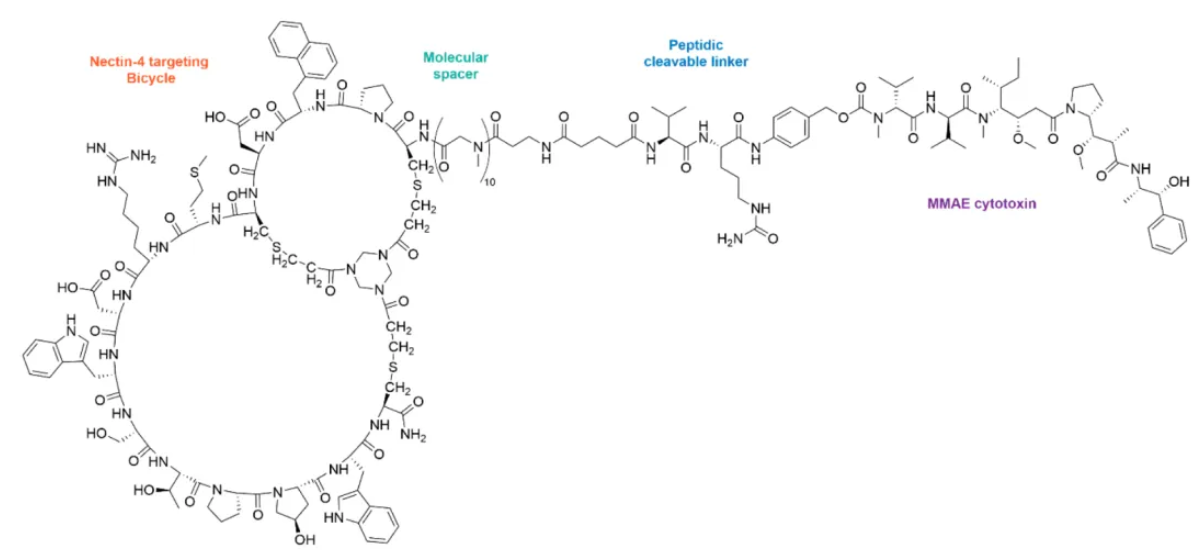
J. Med. Chem. 2022, 65, 14337−14347
Bicycle Therapeutics, founded in 2009 by Sir Greg Winter (2018 Nobel Laureate in Chemistry) and Professor Christian Heinis from EPFL, developed BT8009—a Nectin-4-targeting Bicycle Toxin Conjugate (BTC) comprising a bicyclic peptide that specifically binds to Nectin-4, linked to the MMAE toxin via a cleavable linker. However, in a clinical trial for combination therapy in first-line metastatic urothelial carcinoma, BT8009 failed to meet expectations and underperformed compared to the marketed drug Padcev, leading to a significant drop in the company's stock price. As the first Nectin-4-targeted BTC to enter Phase III clinical trials globally, its high-affinity bicyclic peptide warhead laid the foundation for the subsequent development of diagnostic radiopharmaceuticals.
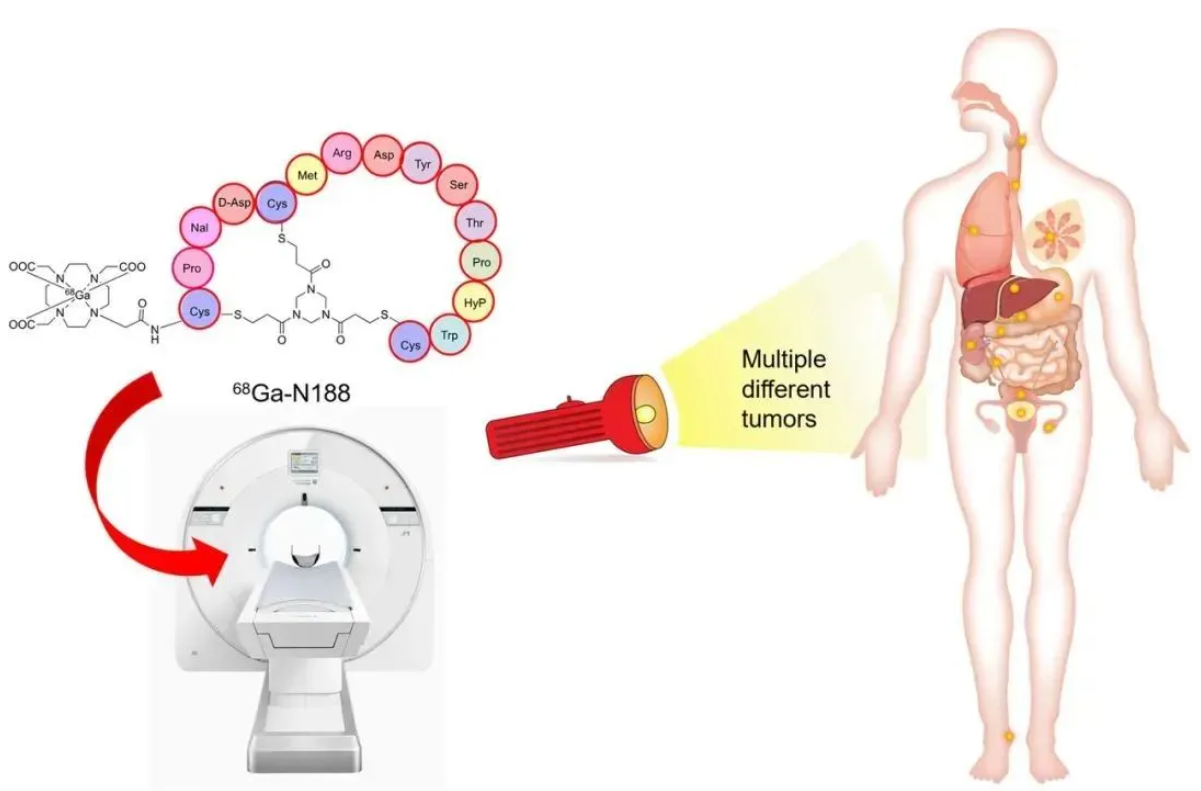 In April 2023, a study published in Clinical Cancer Research reported for the first time the application of the Nectin-4-targeted radioligand ⁶⁸Ga-N188 in PET/CT imaging of advanced urothelial carcinoma. The study aimed to develop a novel method using the radiotracer ⁶⁸Ga-N188 for PET imaging to quantitatively measure Nectin-4 expression levels in urothelial carcinoma cells. The human study was approved by the Ethics Committee of Peking University Cancer Hospital (Approval No. 2022KT37) and registered on ClinicalTrials.gov (No. NCT05321316, registered on April 11, 2022).
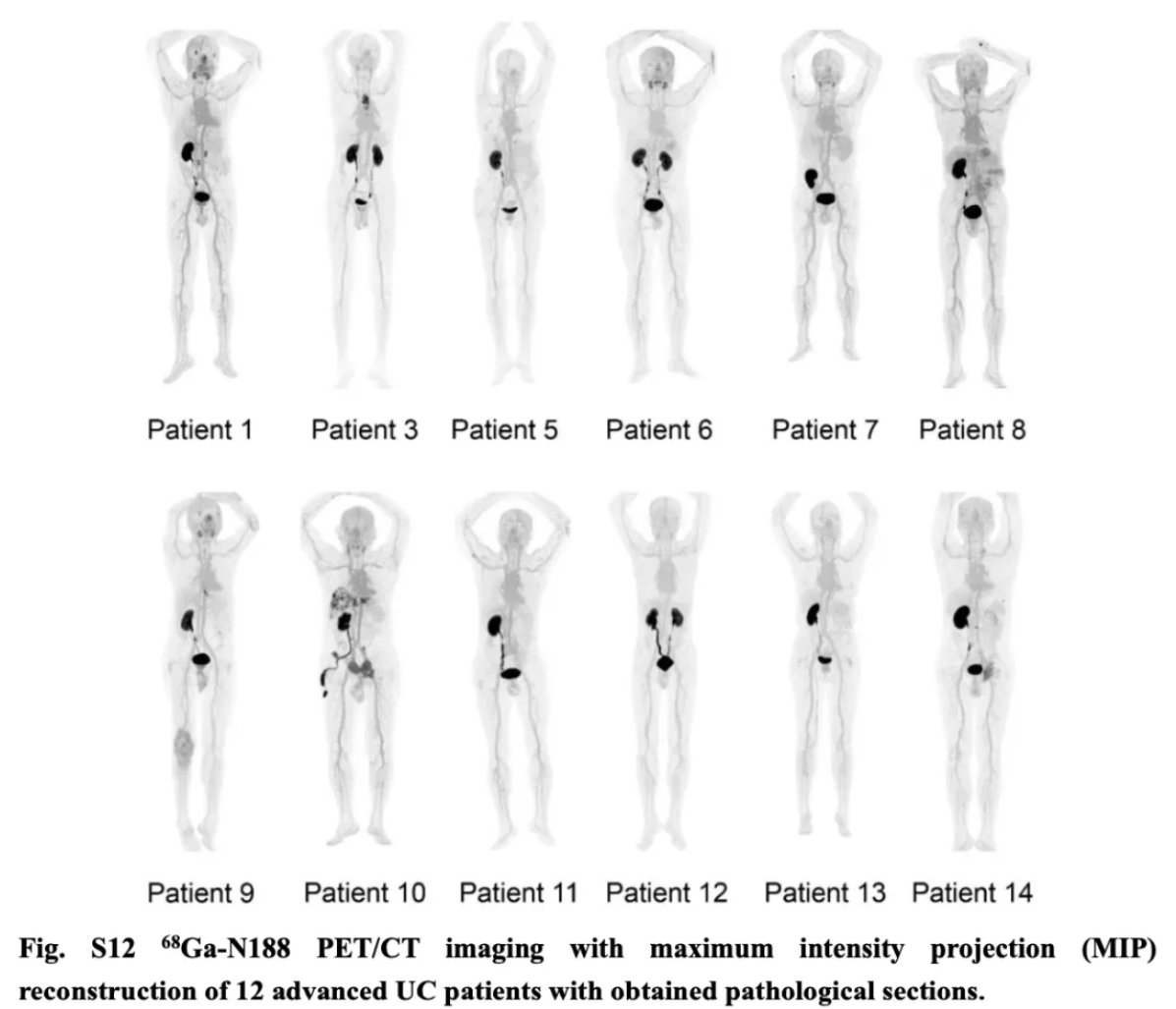
The study included preclinical evaluation of ⁶⁸Ga-N188 in urothelial carcinoma cell lines and xenograft mouse models, as well as translational research in healthy volunteers and patients with advanced urothelial carcinoma. Results showed that ⁶⁸Ga-N188 exhibited high affinity and specific uptake in Nectin-4(+) xenograft mouse models. Furthermore, the study found a positive correlation between membranous Nectin-4 expression levels in 16 different types of tumors from patients and the SUVmax of ⁶⁸Ga-N188 PET/CT imaging. This suggests that ⁶⁸Ga-N188 holds potential value in screening patients suitable for individualized precision ADC therapy with EV (Enfortumab Vedotin) and monitoring disease progression, supporting its use as a companion diagnostic tool to identify optimal candidates for Nectin-4-targeted therapy. The radiotracer demonstrated appropriate pharmacokinetic and safety profiles, and translational studies confirmed its feasibility and potential clinical utility.
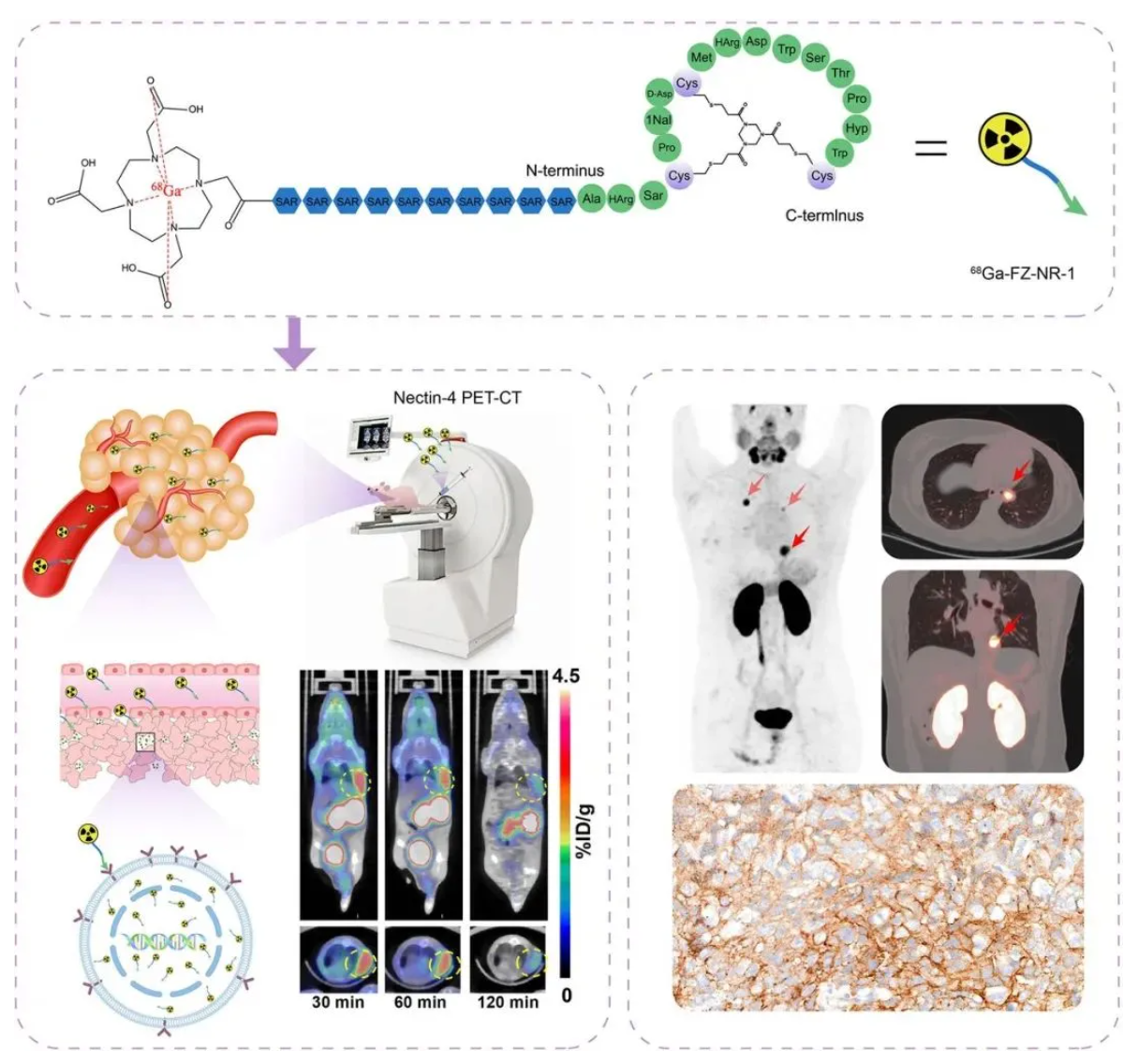
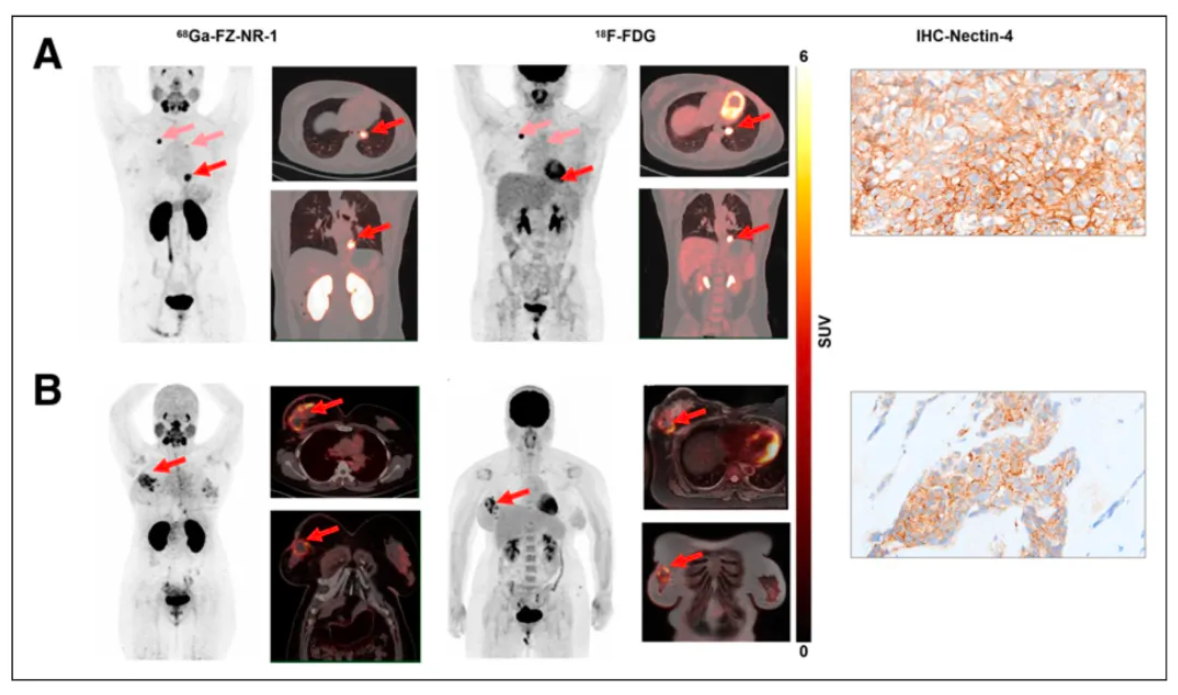 In preliminary human trials, ⁶⁸Ga-FZ-NR-1 successfully identified tumor lesions in 9 TNBC patients, a result strongly validated by ¹⁸F-FDG PET/CT. More critically, biopsy and immunohistochemical analysis of the tumor lesions revealed that the positive lesions marked by ⁶⁸Ga-FZ-NR-1 PET/CT were highly consistent with areas of high Nectin-4 expression. This not only confirms the accuracy of ⁶⁸Ga-FZ-NR-1 in detecting Nectin-4 expression in vivo but also provides precise imaging evidence for Nectin-4-based targeted therapies. In summary, this study successfully developed and evaluated a series of Nectin-4-targeted tracers. With excellent targeting performance and safety, they were proven effective in identifying tumor lesions with high Nectin-4 expression. This achievement not only brings new hope for the diagnosis and treatment of TNBC but also lays a solid foundation for the future development of Nectin-4-based targeted treatment strategies.
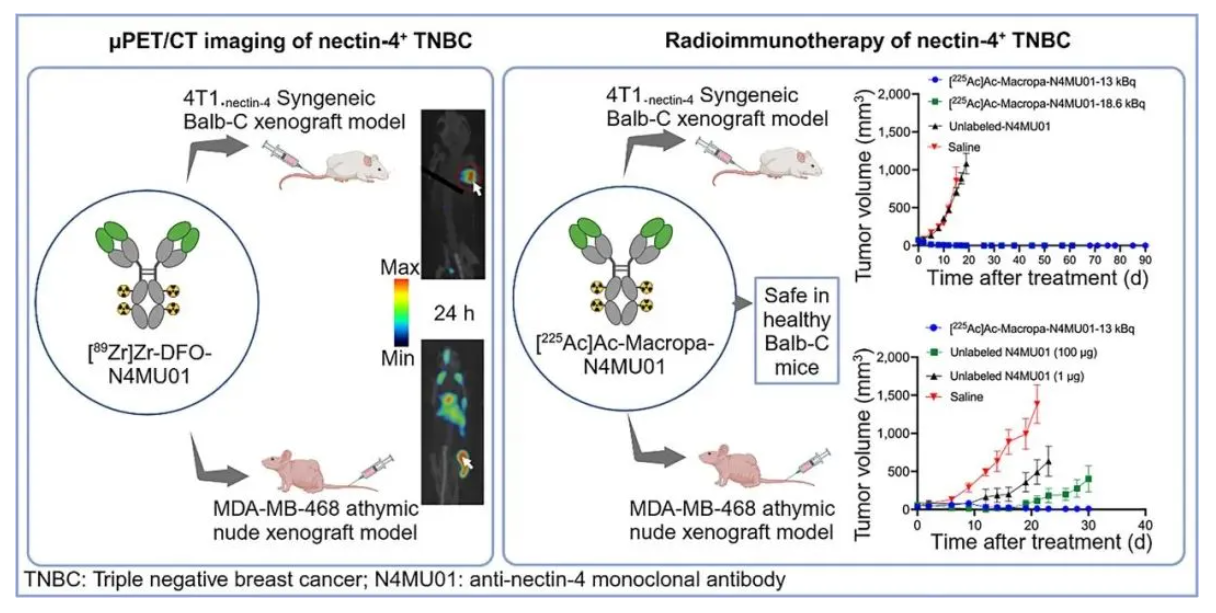
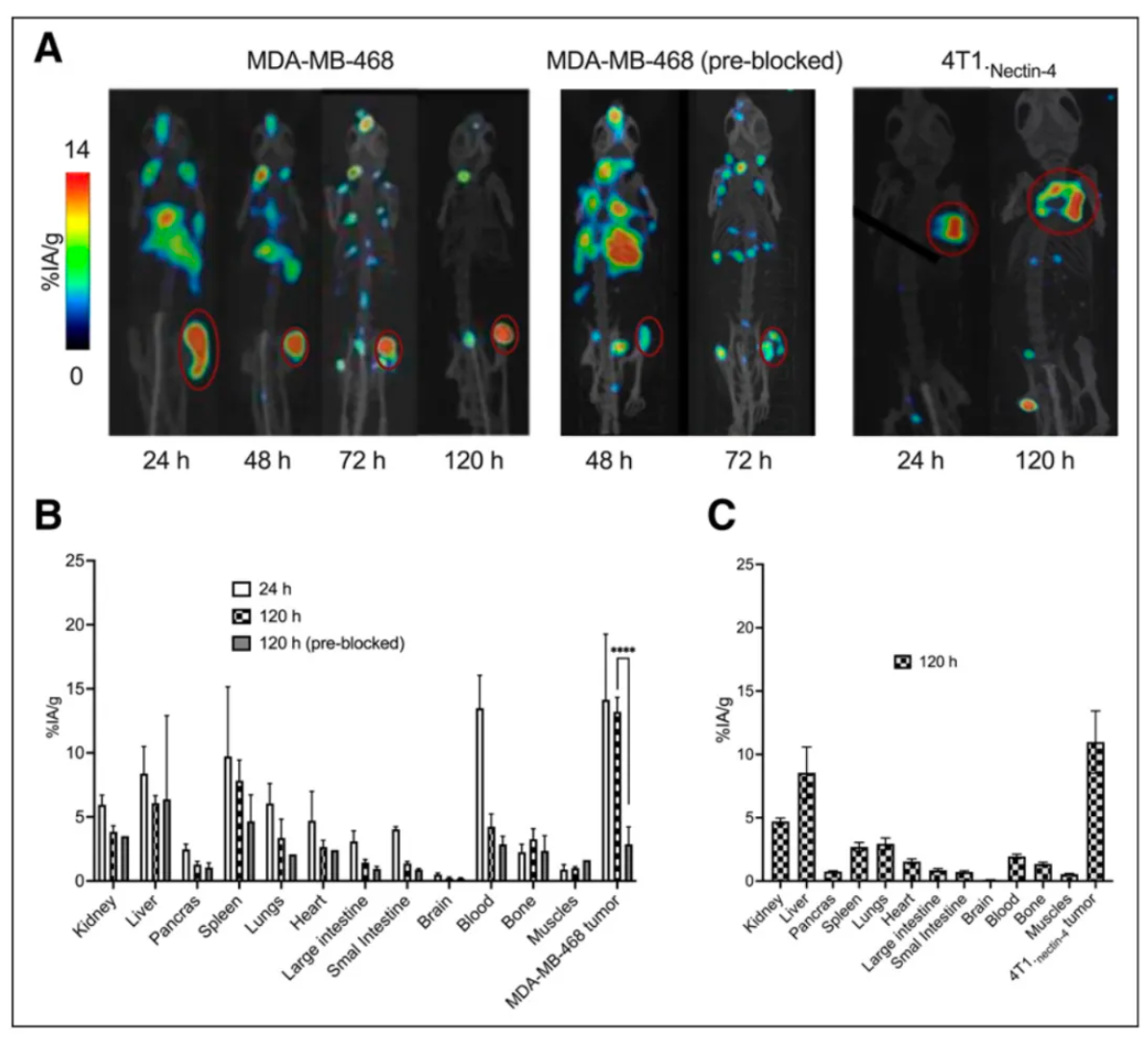
In a study published in the Journal of Nuclear Medicine in February 2025, a research team successfully developed a novel theranostic radiopharmaceutical based on the fully human anti-Nectin-4 antibody N4MU01. The study showed that [⁸⁹Zr]Zr-DFO-N4MU01 exhibited excellent targeting capabilities in Nectin-4-positive triple-negative breast cancer (TNBC) xenograft models: tumor uptake reached 13.2 ± 1.12 %IA/g at 120 hours, with a tumor-to-blood ratio of 3.1 and a tumor-to-muscle ratio of 13.2. Blocking experiments further confirmed its targeting specificity. Additionally, pharmacokinetic analysis in CD-1 nude mice injected with [⁸⁹Zr]Zr-DFO-N4MU01 revealed a rapid distribution half-life (t₁/₂α) of 1.84 ± 0.48 hours and a moderate elimination half-life (t₁/₂β) of 63.0 ± 25.5 hours, making it highly suitable for late-time-point PET imaging.
 This study reports the first α-particle emitting therapeutic radiopharmaceutical targeting Nectin-4, [²²⁵Ac]Ac-Macropa-N4MU01. N4MU01 utilizes a fully humanized antibody design, significantly reducing immunogenicity compared to murine antibodies. This preclinical study confirms that the imaging agent [⁸⁹Zr]Zr-DFO-N4MU01 possesses high specificity and high tumor uptake, while the therapeutic agent [²²⁵Ac]Ac-Macropa-N4MU01 demonstrates superior antitumor efficacy. Based on its excellent targeting capability and therapeutic potential, this drug system is poised for further clinical translation, offering a new strategy for the precision diagnosis and treatment of Nectin-4-positive tumors.
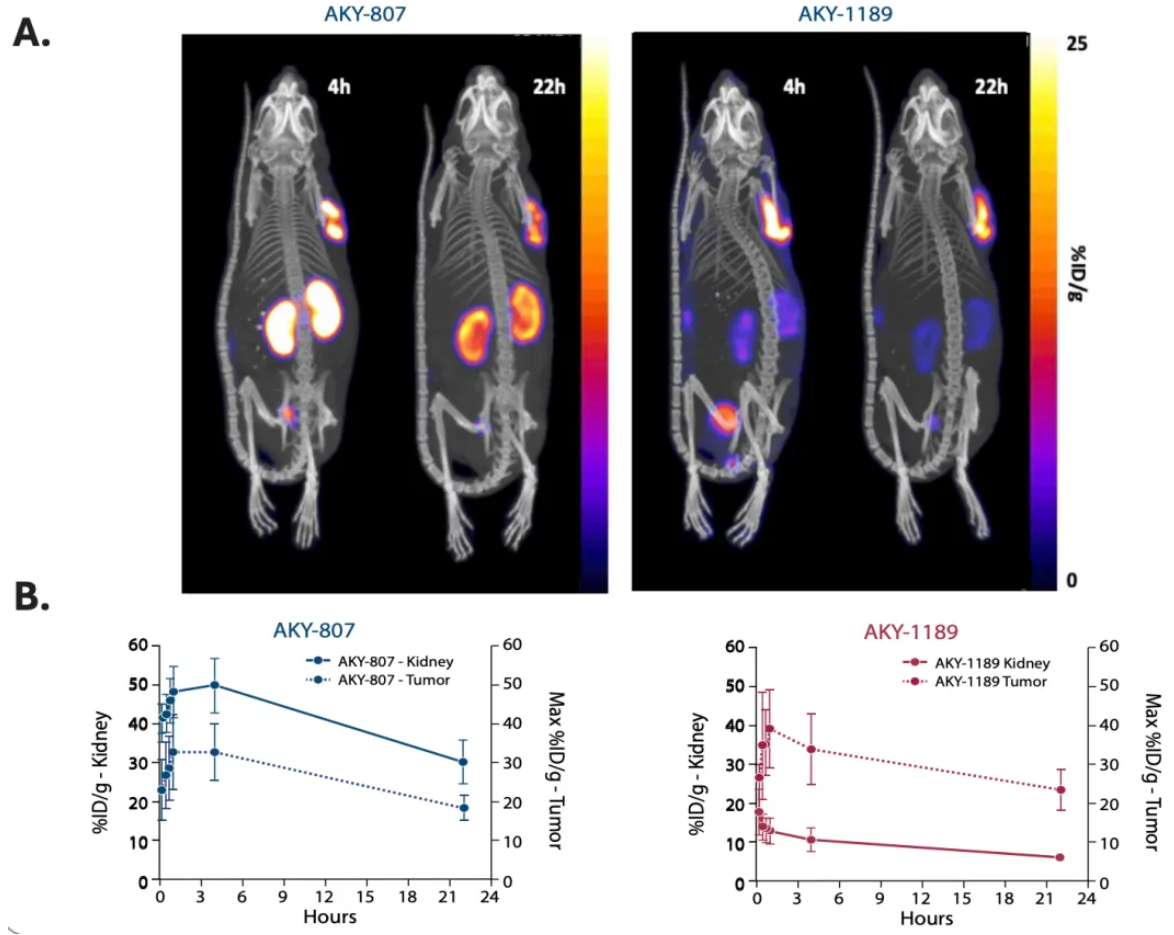 On May 21, 2024, Aktis Oncology ("Aktis") announced a multi-target discovery collaboration agreement with Eli Lilly and Company. Under the agreement, Aktis will utilize its proprietary miniprotein technology platform to produce radiopharmaceuticals for the treatment of tumors for Lilly. As part of the collaboration, Lilly made an equity investment in Aktis and paid a $60 million upfront collaboration fee. Additionally, Aktis is eligible for up to $1.1 billion in potential preclinical, clinical, regulatory, and commercial milestone payments, as well as tiered royalties.
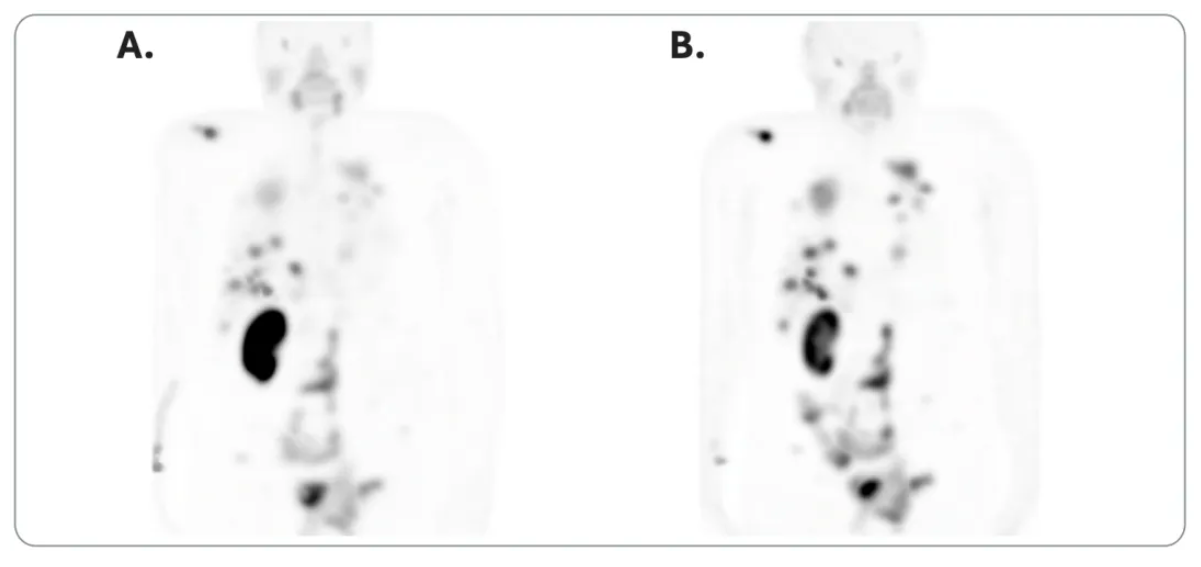
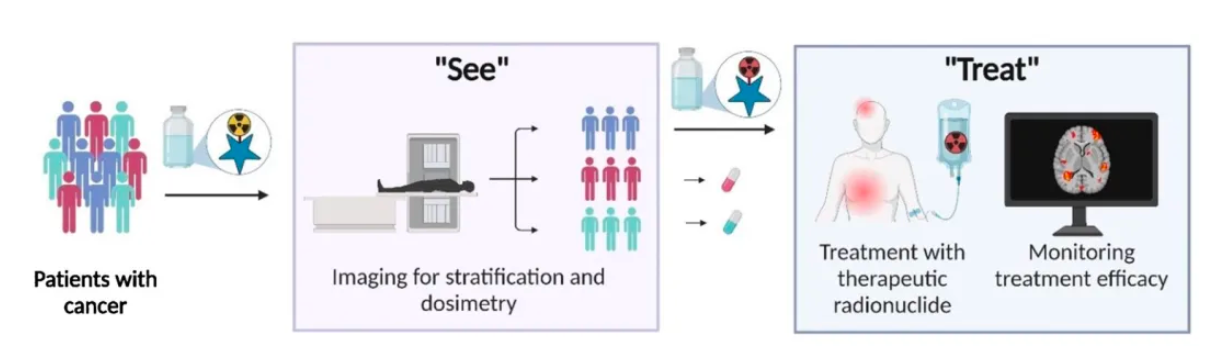 This article briefly outlines the significant progress of Nectin-4 as a target for tumor diagnosis and treatment, detailing the application potential of radioligands such as ⁶⁸Ga-N188, ⁶⁸Ga-FZ-NR-1, N4MU01, and AKY-1189 in PET imaging and therapy. By precisely targeting Nectin-4, these innovative radiopharmaceuticals offer new strategies for early tumor diagnosis and individualized treatment. Currently, the development of radiopharmaceuticals is advancing towards a trinity of "precision delivery, dynamic monitoring, and real-time treatment." Through synergistic innovation in radionuclides, carriers, and clinical applications, the field is gradually achieving a leap from traditional radiotherapy to cell-level precision nuclear strikes. With continuous technological advancements and in-depth clinical research, Nectin-4-targeted radiopharmaceuticals are expected to play a greater role in the field of oncology, ushering in a new era of precision medicine.


Address:Ping An Fortune Center, Lize Financial Business District of Beijing