2026-08-20
Over the decade since targeted radioligand therapy (RLT) was first translated into clinical practice for prostate cancer, the global radiopharmaceutical field has long adhered to a rigid standardized treatment paradigm: uniform fixed administered activity, fixed dosing interval, and a fixed maximum number of treatment cycles. However, the industry has rarely traced the origins of this dosing standard: the 7.4 GBq administered activity that frequently appears in treatment protocols was not determined as an optimal value through bidirectional balancing of human tumor efficacy versus off-target toxicity. Rather, it was derived as a conservative safety limit by reverse-estimation from the 23 Gy cumulative renal radiation tolerance threshold borrowed from external beam radiotherapy. This means that the achievable anti-tumor efficacy ceiling of radiopharmaceuticals has yet to be reached, and substantial room for optimization remains.
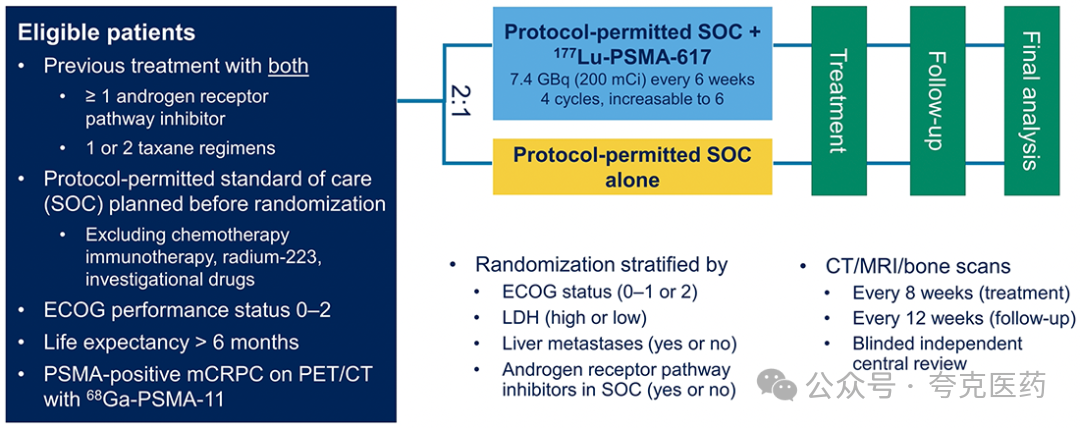
Pluvicto Dosing in the Phase III VISION Trial
The efficacy challenges of Pluvicto cannot be entirely attributed to poor target suitability or inter-patient variability. A non-negligible root cause is precisely that "the drug was not given enough," and this treatment regimen of "7.4 GBq per dose, once every 6 weeks, up to 6 cycles" remains essentially at a "one-size-fits-all" empirical stage. Currently, radiopharmaceutical dosing is not individually optimized in conjunction with anti-tumor efficacy; dosing intervals lack pharmacodynamic evidence support; and the entire treatment course lacks dynamic efficacy assessment checkpoints. The therapeutic logic remains inverted: patients are expected to conform to a fixed regimen, rather than the regimen being tailored to the patient. When clinical performance under standard dosing falls below expectations and the root cause points to "unoptimized dosing," the path to breaking the impasse becomes self-evident.
Related: EANM — Why does a radiopharmaceutical show uptake but no efficacy?
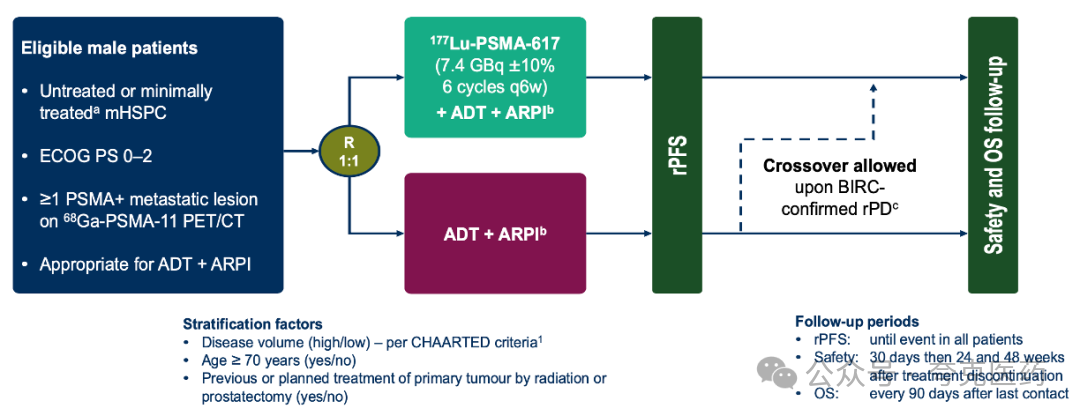
Pluvicto Dosing in the Phase III PSMAddition Trial
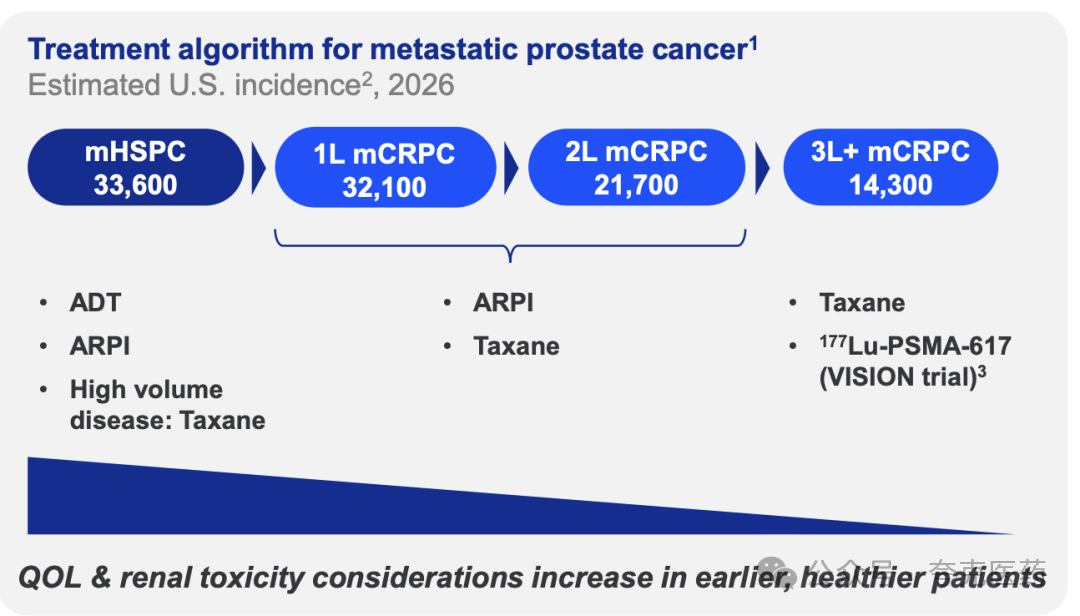
The VISION trial (later-line mCRPC) yielded a 4-month median overall survival (OS) benefit, establishing for the first time the survival value of PSMA RLT. The TheraP trial (second-line mCRPC) demonstrated that radioligand therapy was on par with second-line chemotherapy in terms of OS, with its advantage lying in tolerability rather than efficacy gains. The CCTG PR.21 (PLUDO) trial (first-line mCRPC) further revealed that standard-dose radiopharmaceuticals were inferior to docetaxel in OS, underscoring that the limitations of the traditional fixed-dosing model become increasingly pronounced as treatment moves to earlier lines.
On July 31, 2026, based on the PSMAddition trial (control arm: ADT + ARPI; experimental arm: Pluvicto 7.4 GBq/dose, once every 6 weeks, up to 6 cycles), the FDA formally approved Pluvicto for PSMA-positive mHSPC: rPFS HR = 0.67, OS HR = 0.80. While Pluvicto appeared to have won on rPFS, the costs of the fixed paradigm (50.7% Grade ≥3 adverse event rate vs. 43.0% in the control arm) and the shortcoming of lacking individualized dose adjustment continued to cast a persistent shadow.
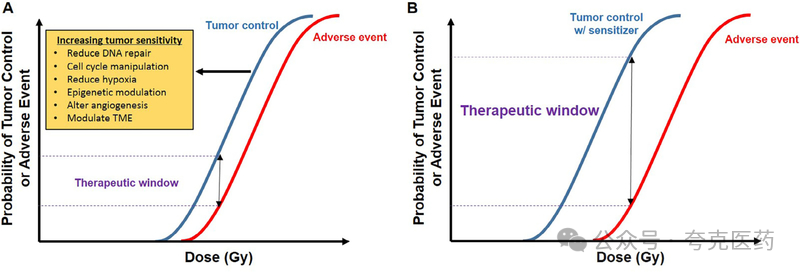
Dose-Effect Curve
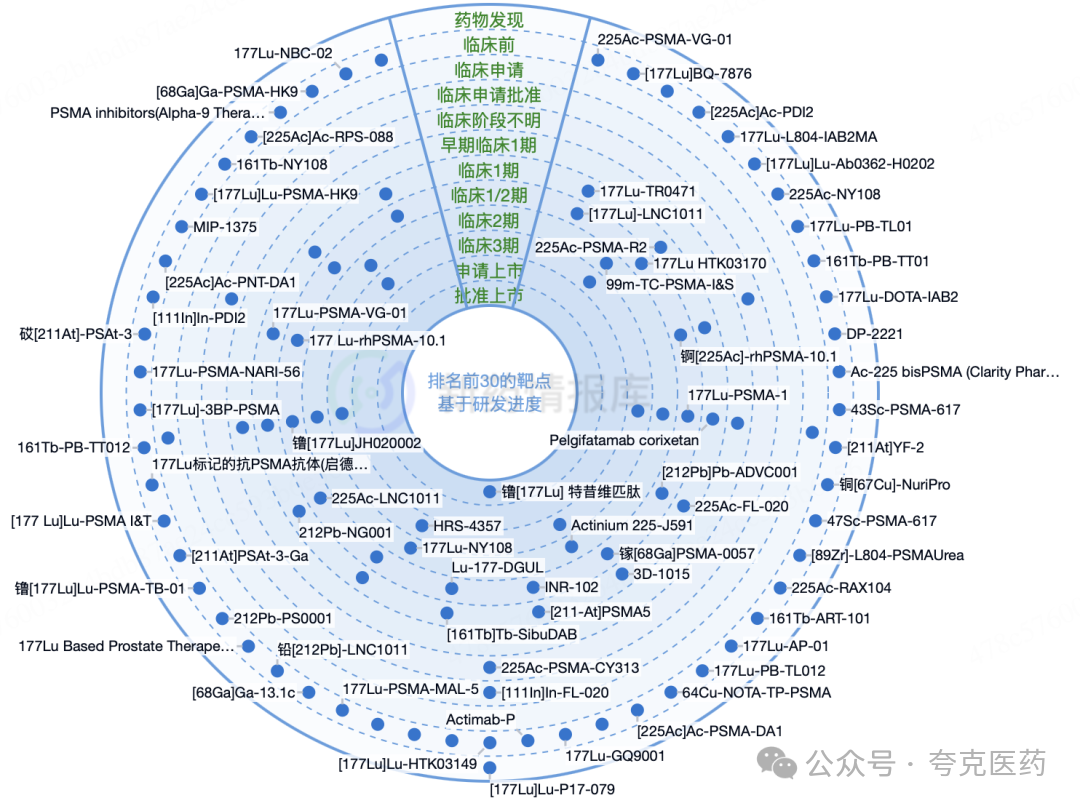
Currently, the global PSMA-targeted radiopharmaceutical landscape is intensely competitive, with the majority of R&D resources focused on optimizing and iterating novel proprietary ligands. However, a drug named [177Lu]Lu-PSMA-597 is attempting to break free from molecular-level homogenization to provide its own answer — not competing merely at the ligand level, but returning to a more upstream design logic. Using the therapeutic window as a fulcrum, it aims to lever a systemic reconstruction of the dosing paradigm, pursuing a highly distinct differentiated path. To understand why PSMA-597 has the confidence to challenge this rigid treatment paradigm, we must trace back to the origins of its molecular design.
The Instituto Nacional de Investigaciones Nucleares (ININ) is Mexico's core national nuclear research institution. It originated from the former Mexican National Nuclear Energy Commission (CNEN), which was restructured in 1979 into three entities: ININ, the Mexican Uranium Institute (URAMEX), and the National Commission for Nuclear Safety and Safeguards (CNSNS). This drug was born at ININ.
Around 2017, ININ collaborated with the nuclear medicine clinical department of Mexico's National Institute of Cancerology (INCan), with research funding from the National Council of Science and Technology (CONACyT), to establish the radiopharmaceutical chemistry development, radiolabeling, and clinical imaging evaluation modules for this drug. Together they completed the preparation, quality control, and systematic validation of the diagnostic molecular probe ⁹⁹ᵐTc-EDDA/HYNIC-Lys(Nal)-Urea-Glu (abbreviated as ⁹⁹ᵐTc-EDDA/HYNIC-iPSMA). This work, published in the journal Nuclear Medicine and Biology under the title "Clinical translation of a PSMA inhibitor for 99mTc-based SPECT," demonstrated through in vitro cell experiments and in vivo tumor-bearing animal studies that the probe could specifically bind to PSMA-high-expressing prostate cancer cells. Subsequent human studies were conducted: on one hand, the probe's normal tissue distribution patterns in healthy volunteers were examined; on the other, prostate cancer patients were enrolled for imaging to preliminarily assess lesion uptake and clinical detection potential. This became the starting point for all subsequent technical iterations of PSMA-597.
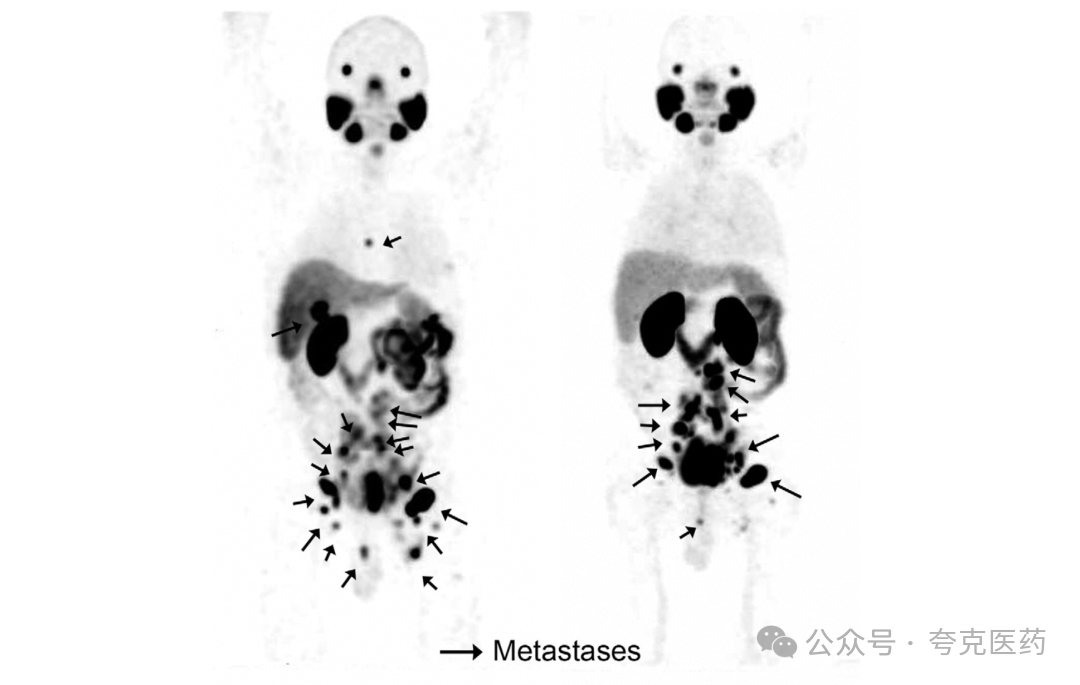
Head-to-head comparison in the same patient: ⁹⁹ᵐTc-SPECT vs. ⁶⁸Ga-PSMA-617 PET
Using the HYNIC-EDDA dual-chelator system for molecular modification to enhance the probe's binding affinity to the PSMA target, this study systematically validated the in vitro stability, targeting specificity, small-animal tissue distribution characteristics, and human biodistribution of this imaging probe. The study enrolled 3 healthy volunteers and 2 pathology-confirmed metastatic prostate cancer patients for preliminary human SPECT imaging; one patient also underwent a concurrent ⁶⁸Ga-PSMA-617 PET comparison scan, providing multi-angle evidence for the clinical translation value of this radiopharmaceutical.
Key study data showed: the lyophilized kit developed by the research team could complete radiolabeling in a single step, with radiochemical purity consistently exceeding 98%; in vitro cell experiments confirmed that the probe specifically recognized and bound only PSMA-positive prostate tumor cells, with minimal non-specific binding; in tumor-bearing nude mice, tumor uptake reached 10.22 %ID/g at 1 hour post-administration, with excellent tumor-to-normal organ uptake ratios and outstanding imaging contrast; no adverse events occurred throughout the human clinical trial; in healthy volunteers, images showed only physiological radioactive accumulation in the salivary glands and kidneys; in prostate cancer patients, both primary lesions and systemic metastases were clearly visualized, with detection efficacy essentially comparable to ⁶⁸Ga-PSMA-617 PET — laying the groundwork for the subsequent development of the therapeutic radiopharmaceutical.
One year later, the research team published the first academic paper on PSMA-597 in October 2018 in the Journal of Radioanalytical and Nuclear Chemistry, titled "177Lu-DOTA-HYNIC-Lys(Nal)-Urea-Glu: synthesis and assessment of the ability to target the prostate specific membrane antigen." Building upon the 2017 imaging probe, the team completed molecular iterative optimization, developed DOTA-HYNIC-iPSMA, and successfully synthesized 177Lu-DOTA-HYNIC-Lys(Nal)-Urea-Glu (177Lu-iPSMA, i.e., PSMA-597). They comprehensively evaluated the therapeutic potential of this probe across multiple dimensions: molecular structural characterization, radiolabeling quality control, in vitro serum stability, cellular targeting and binding, receptor affinity properties, in vivo biodistribution in tumor-bearing mice, and small-animal tomographic imaging.
The results showed that the radiochemical purity of 177Lu-iPSMA after labeling was as high as 99.5%, and it maintained excellent stability after 24 hours in human serum. In vitro cell experiments confirmed that the probe's cellular uptake efficiency, internalization, and maximum receptor binding capacity were all significantly superior to the reference drug 177Lu-PSMA-617, with no statistically significant difference in PSMA target affinity between the two. In vivo animal distribution data showed that tumor uptake reached 11.06 %ID/g at 24 hours post-administration, demonstrating outstanding prolonged tumor retention. This 177Lu-targeted therapeutic radiopharmaceutical, paired with the ⁹⁹ᵐTc-EDDA/HYNIC-iPSMA diagnostic imaging probe developed by the same team in 2017, formed a complete theranostic pipeline from the same molecular origin.
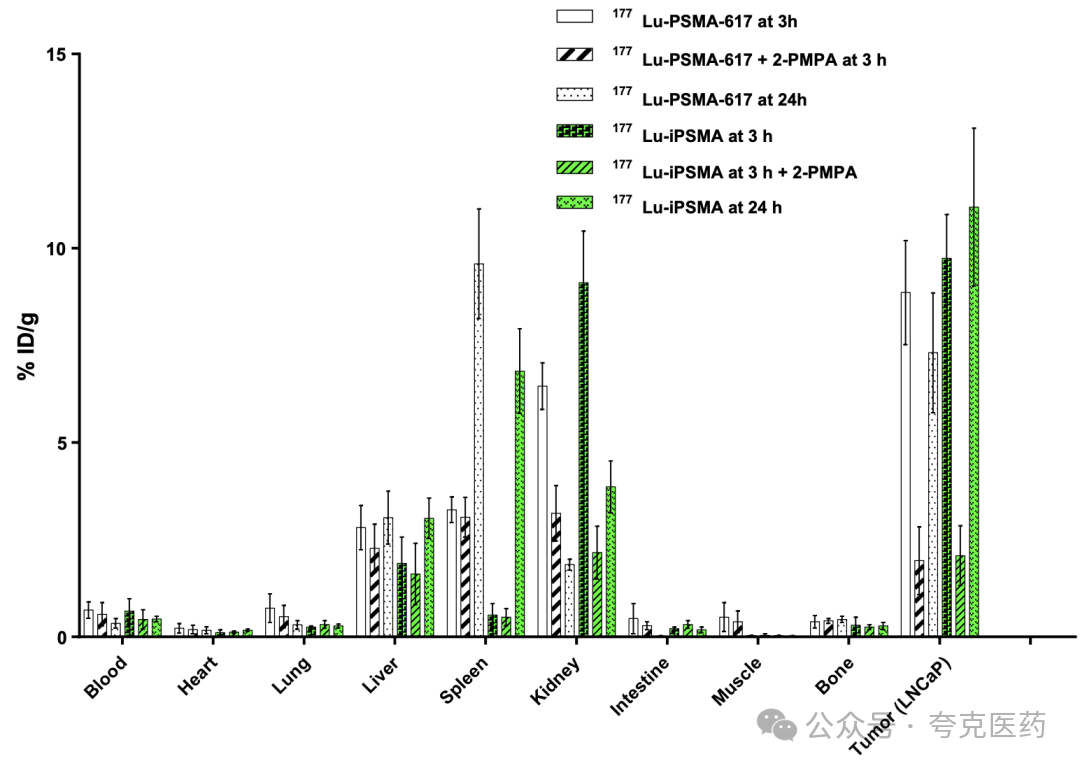
Biodistribution in tumor-bearing mice
Approximately 7 months before this paper was published, the research team filed a patent priority application in Mexico, subsequently completing international patent布局 through the PCT system. The patent was published at the European Patent Office in January 2021. The patent claims cover all PSMA-positive solid tumors. Through the European patent route, the patent can take effect simultaneously in 38 European contracting states, extension states, and validation states — achieving broad intellectual property protection, completing its global commercialization patent barrier, and laying the foundation for subsequent commercial collaboration with Telix.
From the formal publication of the paper in 2018 to the launch of the OPTIMAL trial, more than seven years elapsed (October 2018 – June 2025).
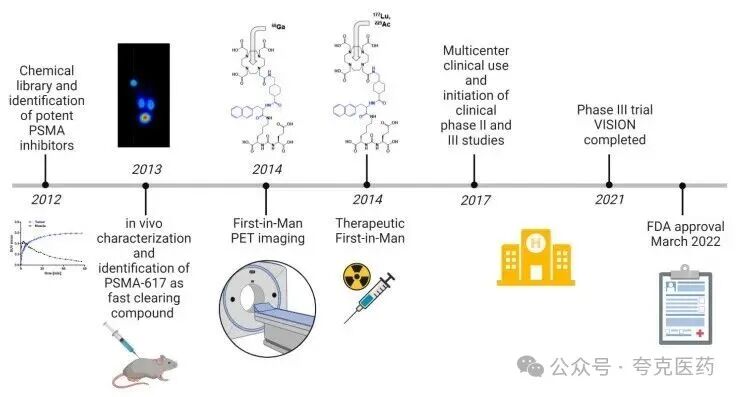
Development Timeline of 177Lu-PSMA-617 (Brand Name: Pluvicto)
During these seven years, the PSMA-targeted radioligand therapy landscape underwent transformative change. The 177Lu-PSMA-617 that the research team had used as a reference comparator was developed by Novartis, receiving marketing approval in both the US and Europe in 2022 under the brand name Pluvicto. To this day, it continues to expand into earlier-line indications, firmly holding its position as the leading prostate-targeted radiopharmaceutical and continually pushing the clinical application boundaries of nuclear medicine. As early as January 2019, ANMI — a company already acquired by Telix Pharmaceuticals (hereafter "Telix") — completed a global patent license for iPSMA from ININ. The drug subsequently entered Telix's pipeline under the code name TLX597-Tx, positioned as a SPECT imaging companion reagent within the PSMA diagnostic matrix, targeting regions with limited PET infrastructure to capture differentiated commercial value.
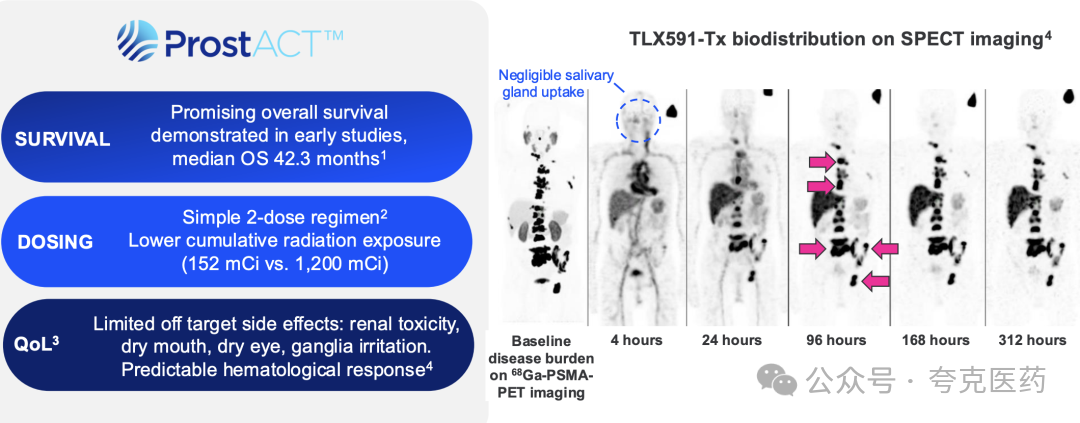
2019 Phase I/II Single-Arm Open-Label Clinical Trial of TLX591-Tx
At that time, multiple similar small-molecule radiopharmaceuticals were being positioned in the PSMA space, and relying solely on "me-too" incremental molecular modifications could no longer establish a meaningful clinical barrier advantage. Although the patent license agreement covered the entire iPSMA platform (both diagnostic and therapeutic), constrained by the company's phased R&D strategic priorities, Telix concentrated resources on commercializing PSMA diagnostic products and developing TLX591-Tx. TLX597-Tx was therefore placed on hold, with only exploratory 225Ac work and subsequent patent filings continuing. Given that TLX597-Tx was still at an early development stage with considerable uncertainty surrounding its clinical value and commercial prospects, it could only be shelved, awaiting restart. Standing at the 2019 juncture, if Telix were to plan for TLX597, it would face a choice between two fundamentally different development paths: replicate the classic dosing model that had secured Novartis's 177Lu-PSMA-617 approval and compete within the existing market, or leverage the molecule's own differentiated characteristics for innovative breakthrough, creating an entirely new competitive dimension and reshaping the industry's competitive landscape.
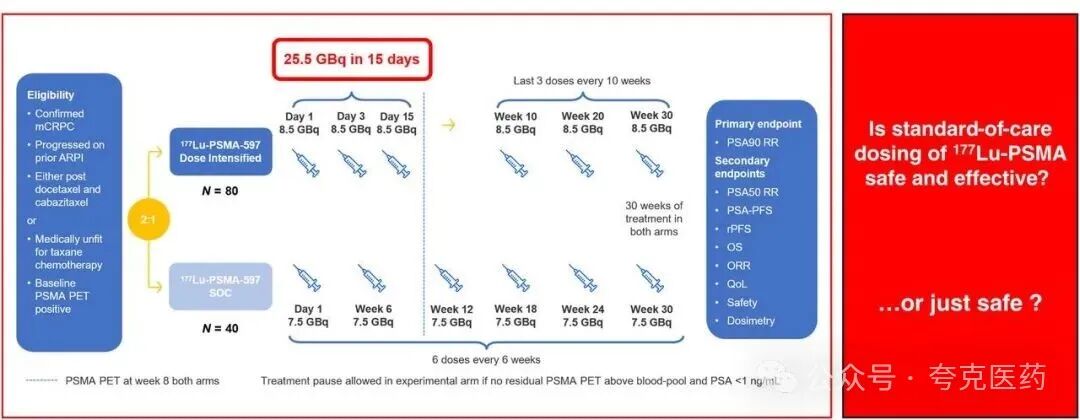
OPTIMAL-PSMA (ID: ACTRN12625000971437) is an investigator-initiated Phase II, open-label, multicenter randomized controlled clinical trial led by Professor Louise Emmett at St Vincent's Hospital, Australia. This is the first randomized controlled trial in the field of PSMA radioligand therapy to systematically explore a flexible dosing regimen:
① Leveraging the radiation-induced DNA repair window mechanism, dense fractionated irradiation is completed on Day 1 and Day 3, fully exploiting the 96-hour DNA repair gap to enhance tumor killing efficiency;
② Flexible dose escalation, increasing the single administered activity from the conventional 7.4 GBq to 8.5 GBq to strengthen tumor radiation dose (the independent Data Safety Monitoring Board [DSMB] conducted an interim safety assessment for the first 10 patients in the experimental arm, found no safety risks, and approved escalation of the experimental arm's single-dose from 7.5 GBq to 8.5 GBq);
③ An adaptive efficacy assessment checkpoint is set at Week 8 of treatment, based on ⁶⁸Ga-PSMA PET imaging combined with PSA levels, enabling dynamic treatment course decision-making.
Distinct from the classic dosing model under which Novartis's 177Lu-PSMA-617 was approved, the ingenuity of this protocol lies in the following:
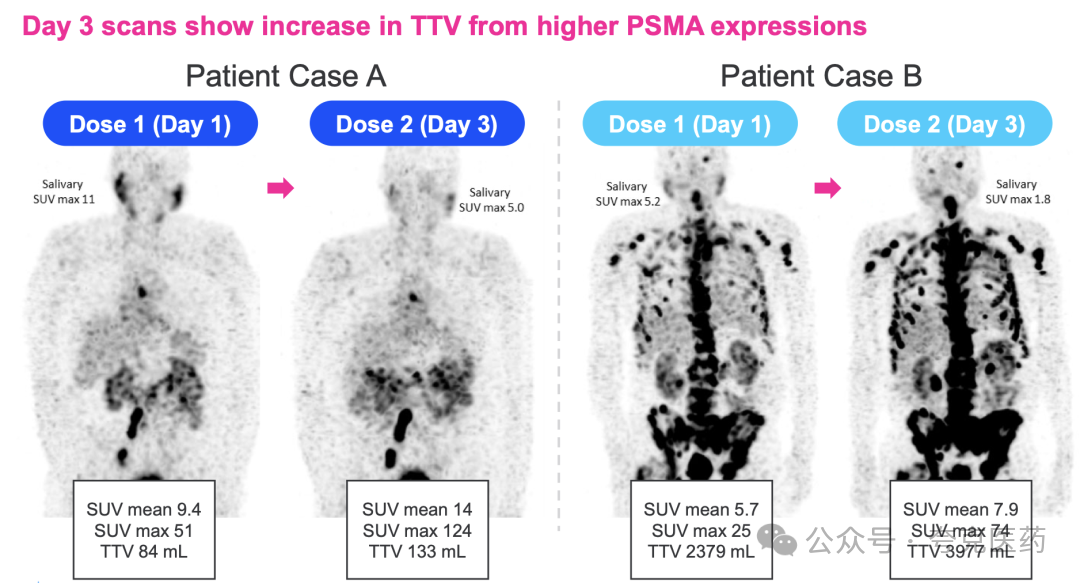
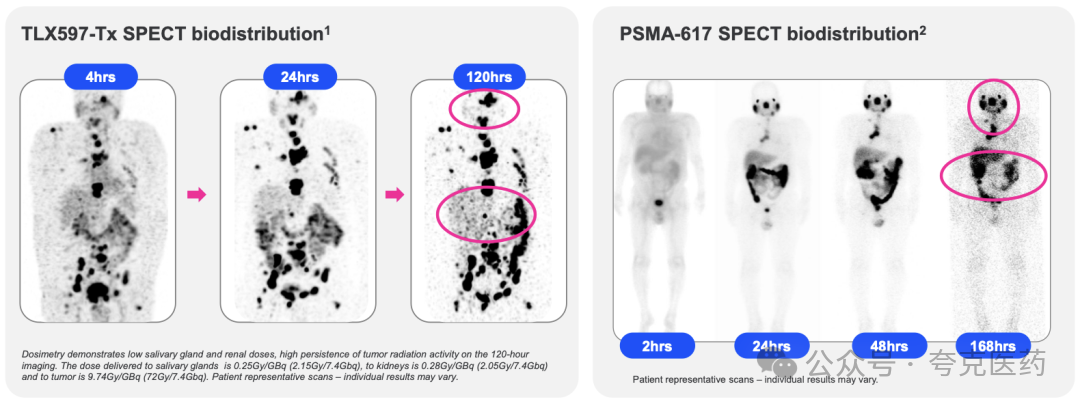
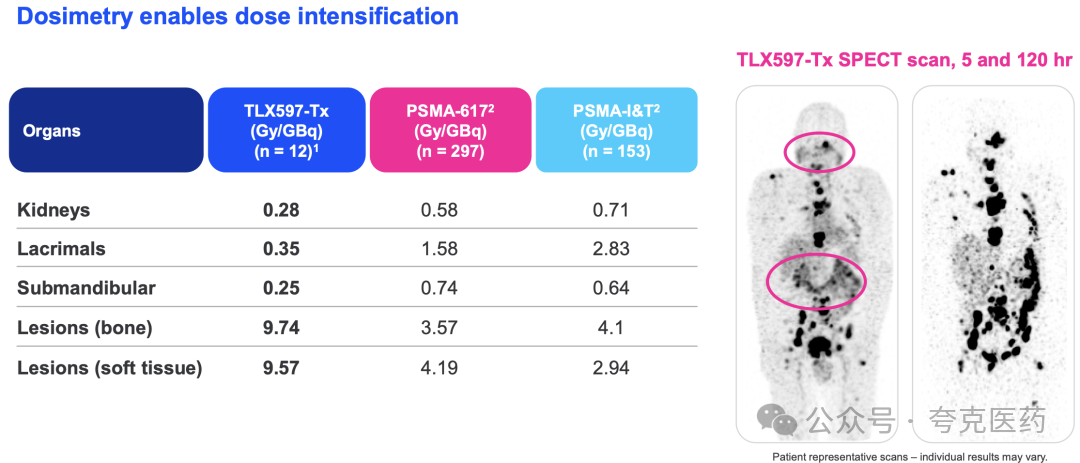
Point 3: Leveraging the drug's low off-target uptake, the protocol aggressively exploits the "dose budget" to maximize efficacy. Dense dosing means higher cumulative dose over a short period, increasing organ toxicity risk. Dosimetry data from 12 patients indicate that even under the intensive regimen of 3 doses within 15 days, cumulative organ radiation doses remain within safe limits.
Taking the kidneys as an example: under the escalated 8.5 GBq dose, the total activity of 3 doses over the first 15 days is 25.5 GBq, with cumulative renal dose of approximately 25.5 × 0.28 Gy/GBq = 7.1 Gy (only 31% of the 23 Gy limit). The subsequent maintenance phase adds 3 more doses, increasing the renal dose by another 7.1 Gy, for a total cumulative dose of approximately 14.2 Gy (62% of 23 Gy) — still within safe limits.
These data also reveal PSMA-597's core advantage: PSMA-617 has a renal dose coefficient of 0.58 Gy/GBq, and 6 doses × 7.4 GBq = cumulative 25.7 Gy, which already exceeds the 23 Gy threshold — this is precisely why the standard regimen is limited to 6 doses. For the tumor-to-kidney ratio: PSMA-597 is 9.74/0.28 = 34.8, while PSMA-617 is 3.60/0.58 = 6.2 (a 5.6-fold advantage). For the tumor-to-lacrimal gland ratio: PSMA-597 is 27.8 vs. PSMA-617 at 2.2 (a 12.6-fold advantage). All of these indicate that PSMA-597 possesses a wider therapeutic window, enabling effective application of the "dose budget" concept.
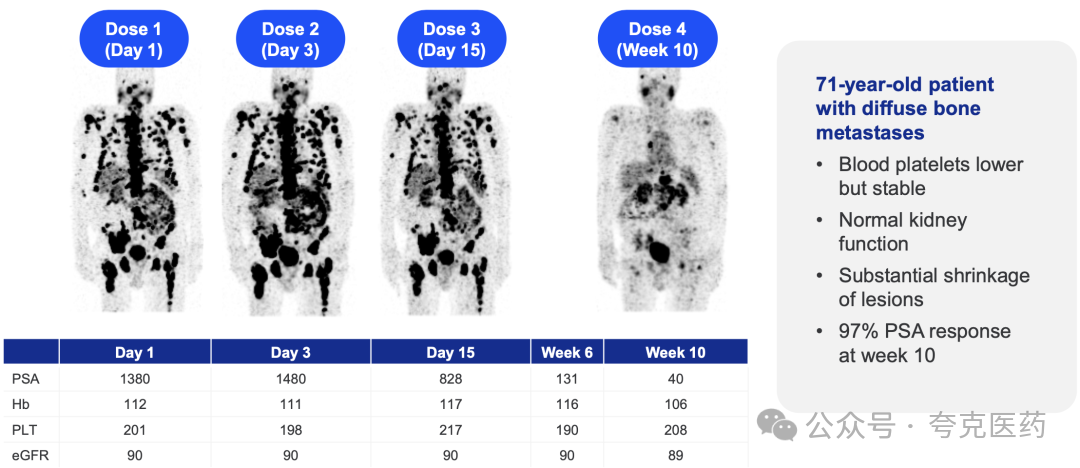
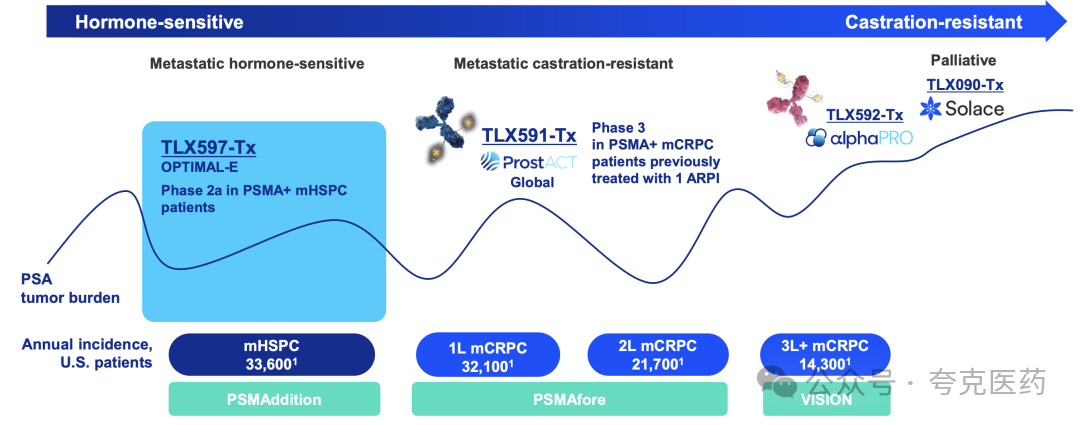
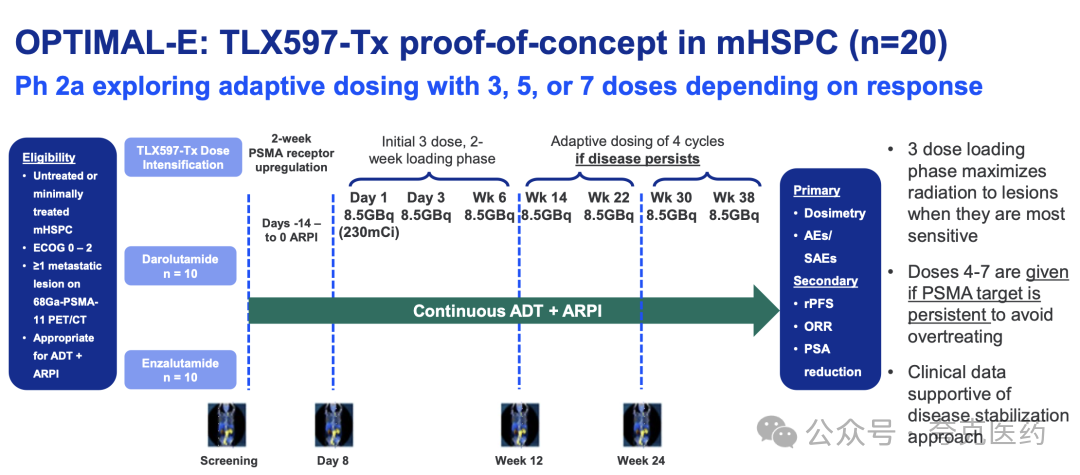
The development of therapeutic radiopharmaceuticals is fundamentally about the precision refinement and maximization of the "therapeutic window." If the therapeutic window is not wide enough, even the best dosing regimen design may remain purely theoretical; if the window is sufficiently wide but lacks complementary biological windows and adaptive decision-making mechanisms, the dosimetric advantages are wasted, and the true clinical therapeutic potential of the radiopharmaceutical remains unrealized. This quiet revolution is bringing structural inspiration to the industry: radiopharmaceutical R&D should not stop at "finding a molecule that can target tumors." Instead, multiple dimensions such as "therapeutic window" and "flexible dosing" can serve as important levers to deeply unlock the potential of radiopharmaceuticals, transforming them into ever more "possibilities."
Source:https://mp.weixin.qq.com/s/VAD_BKzHEj83VEfltWy1Lw


Address:Ping An Fortune Center, Lize Financial Business District of Beijing